SECTION 01
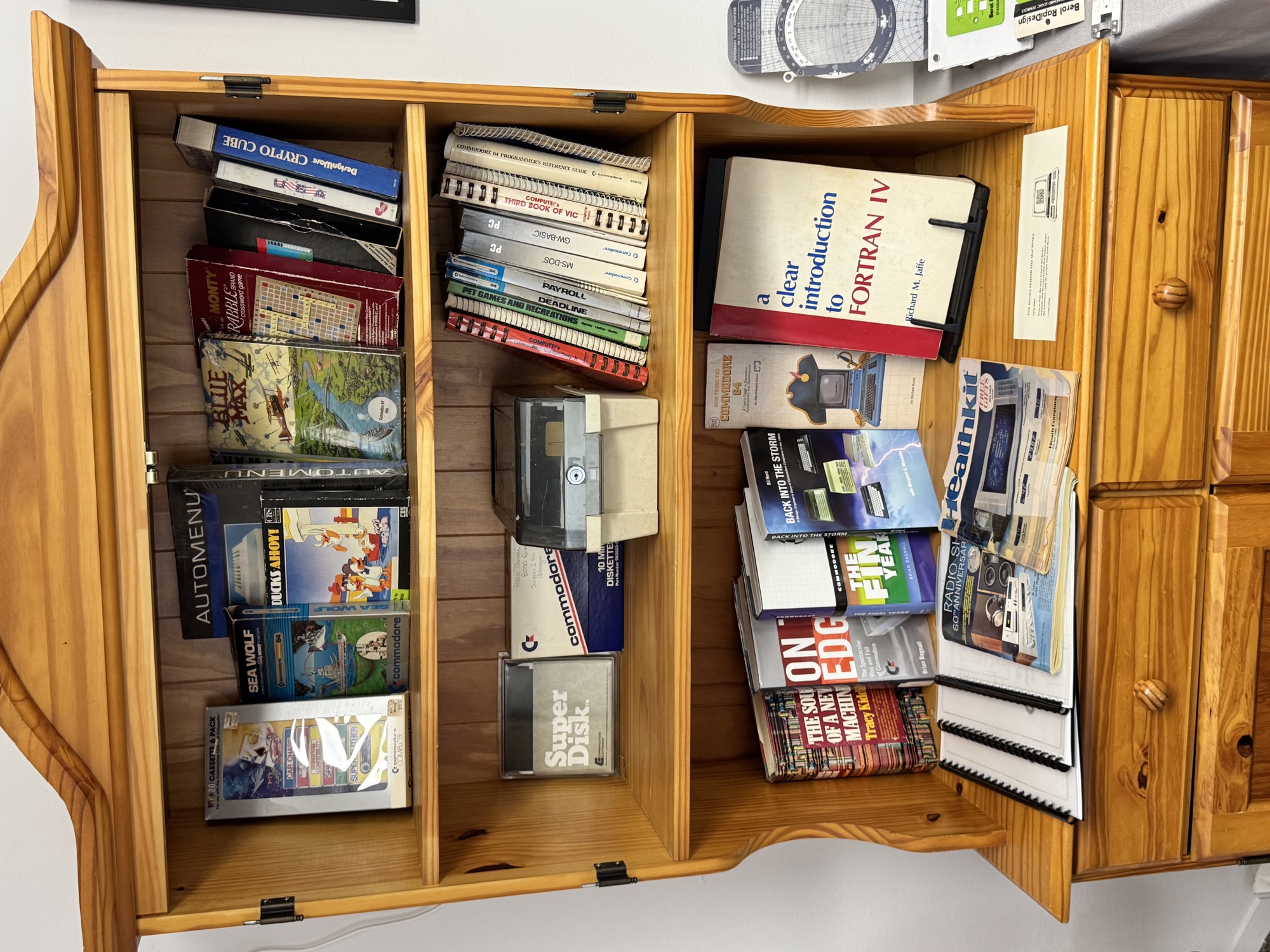
Books Behind the Machines
Books, magazines, manuals, and the ideas that inspired a life in computing.
Explore this sectionFollow the story from vacuum tubes and slide rules to Commodore computers and a new generation of hands-on learning.
Discover the hardware and the people who used it. Some exhibits are Ken Kranz’s own tools from high school and his early engineering career; others carry stories we are still uncovering.
Books, magazines, manuals, and the ideas that inspired a life in computing.
Explore this section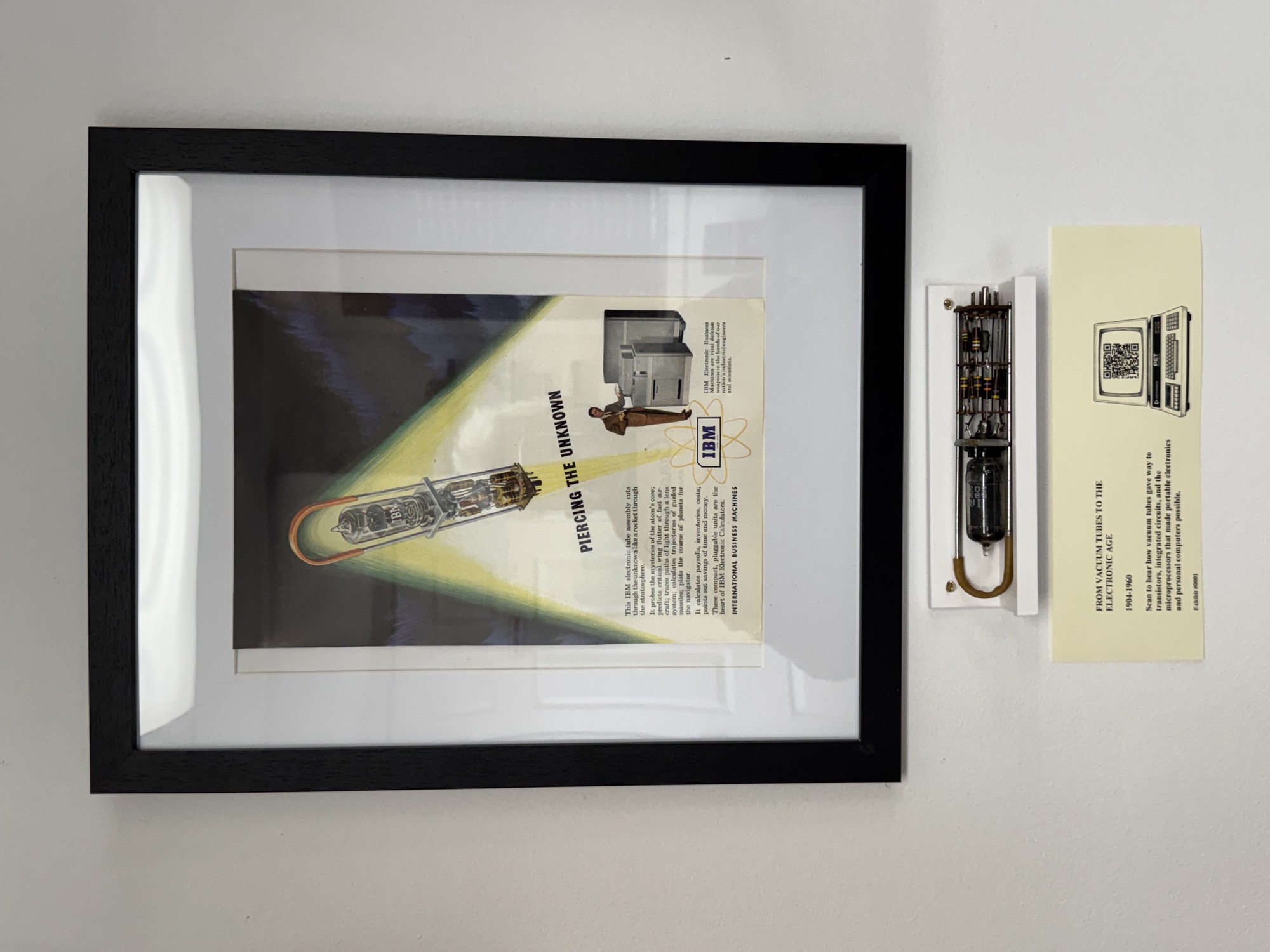
The electronic foundations that made personal computing possible.
Explore this section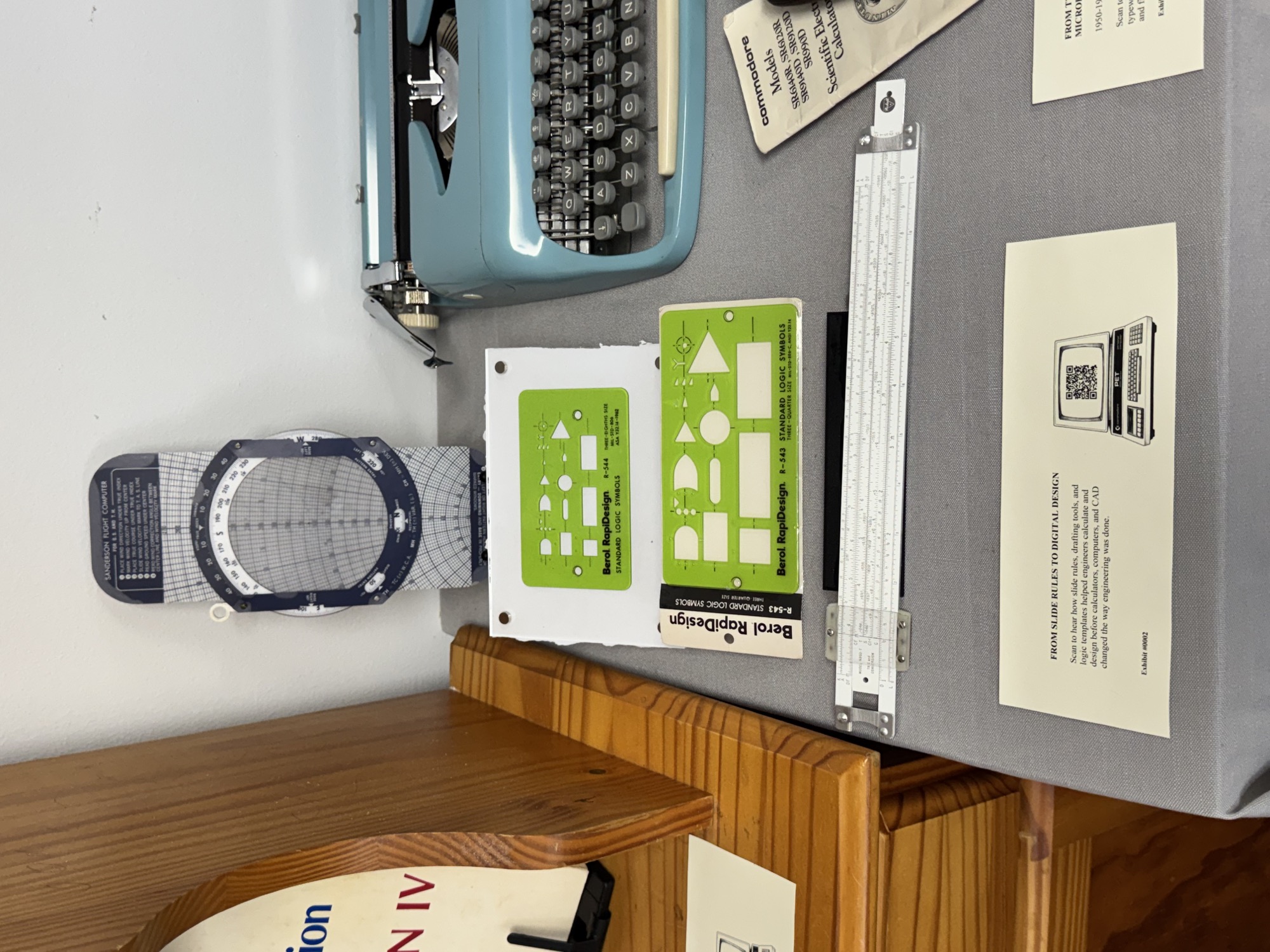
Slide rules, aviation calculations, and the tools of hand-drawn digital design.
Explore this section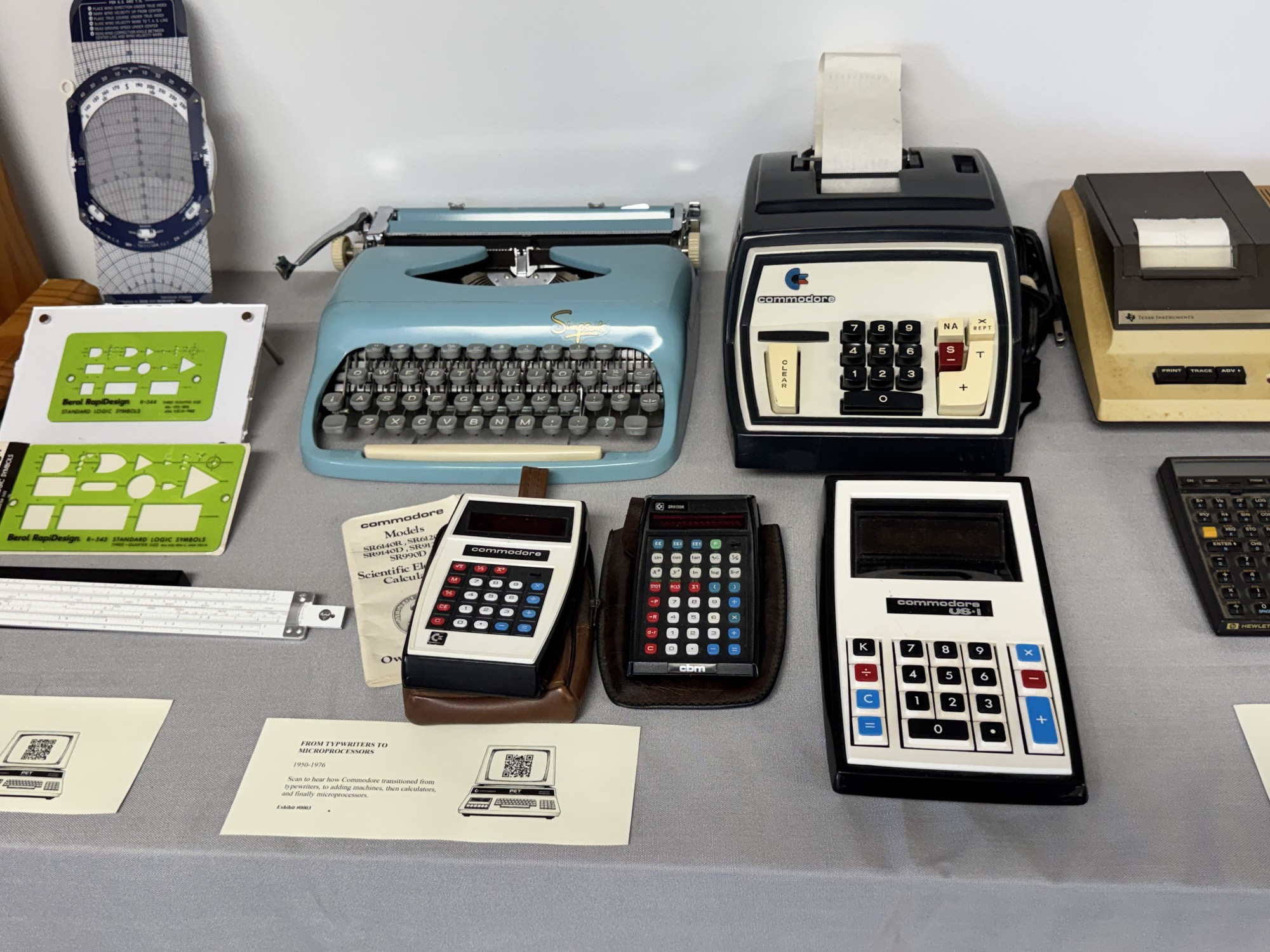
Commodore’s office-machine beginnings, alongside Ken’s engineering calculators.
Explore this section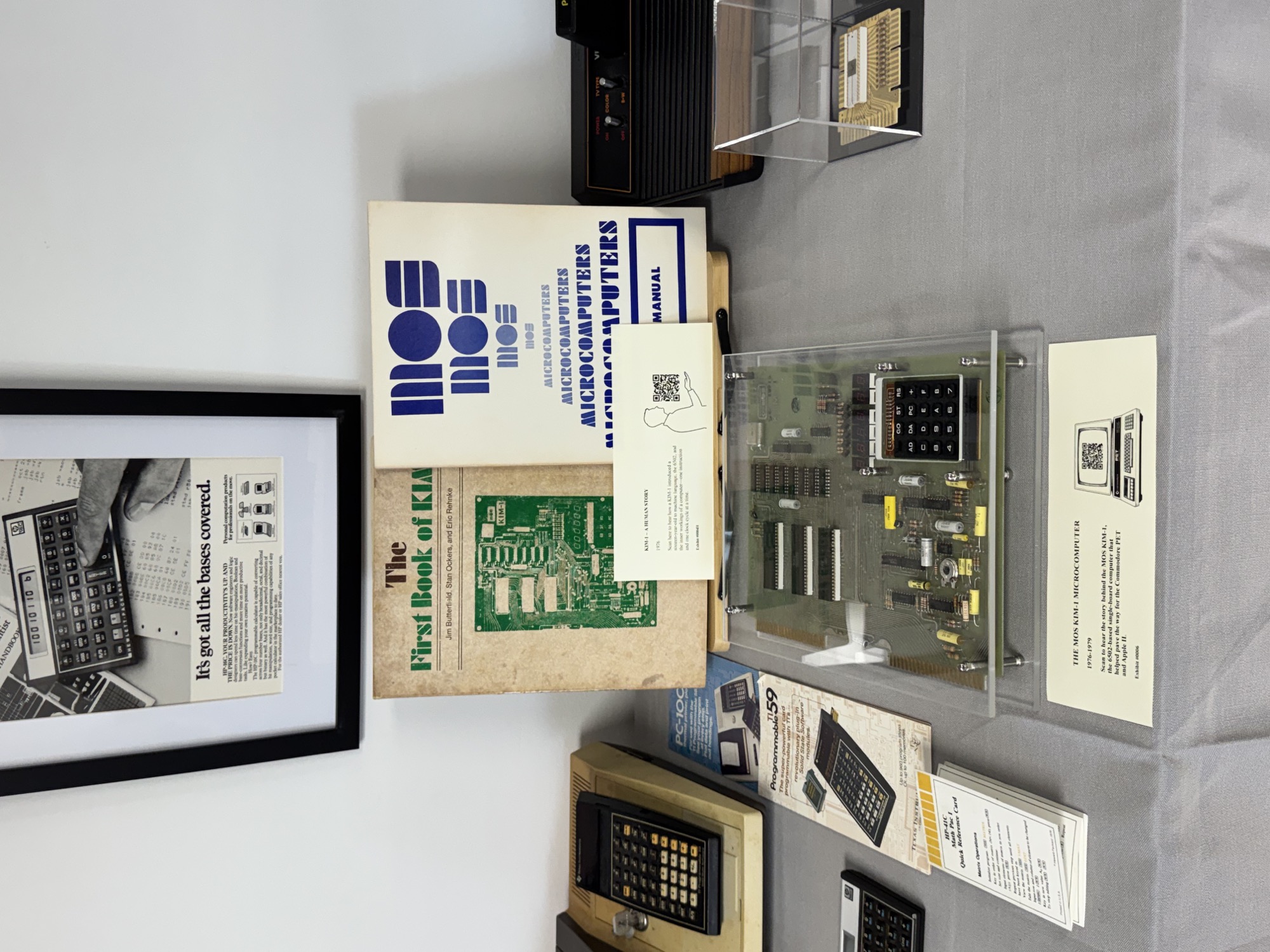
A processor, a keypad, and an introduction to machine language.
Explore this section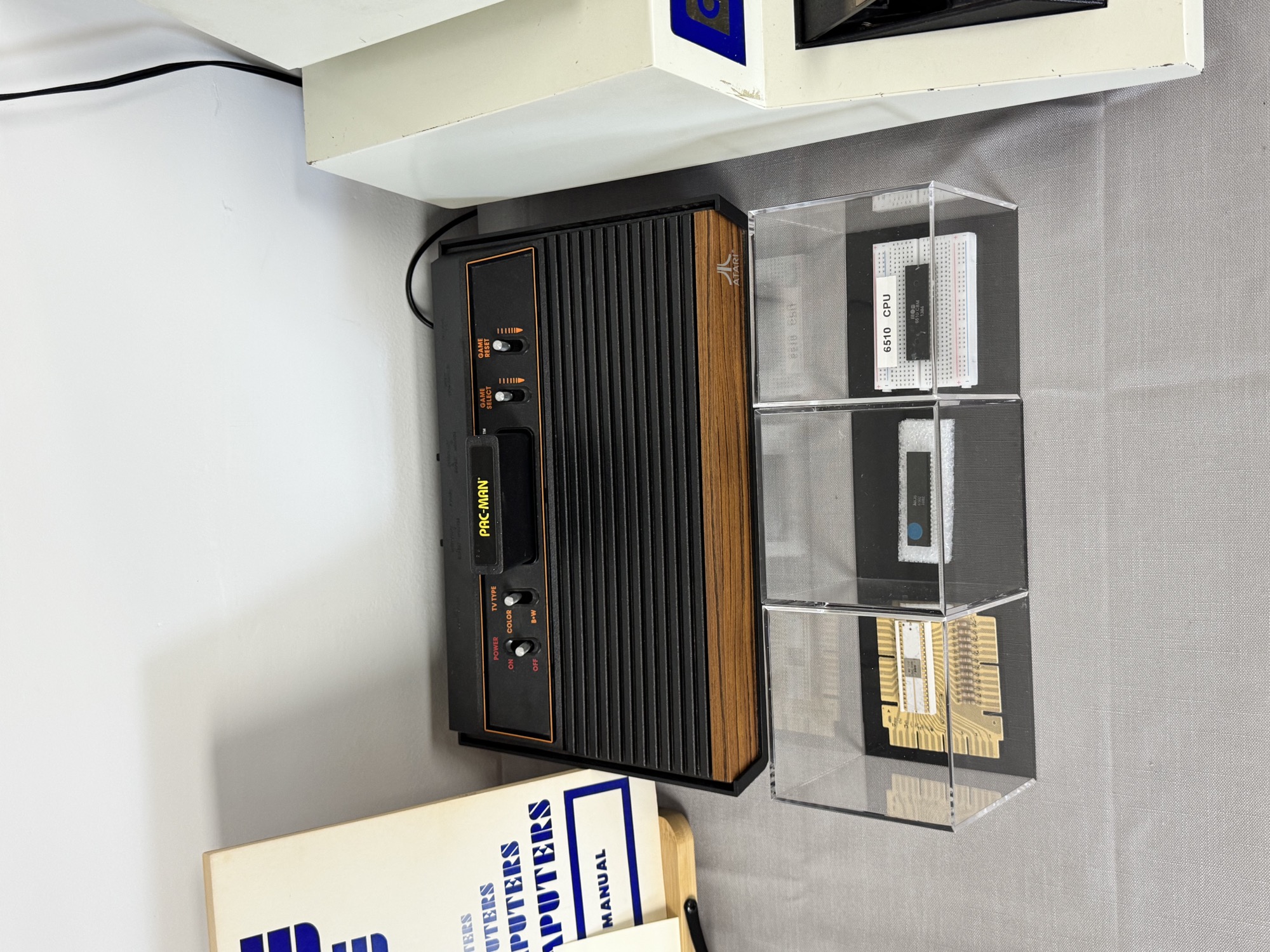
A closer look at the chips behind the machines—and a mystery still being researched.
Explore this section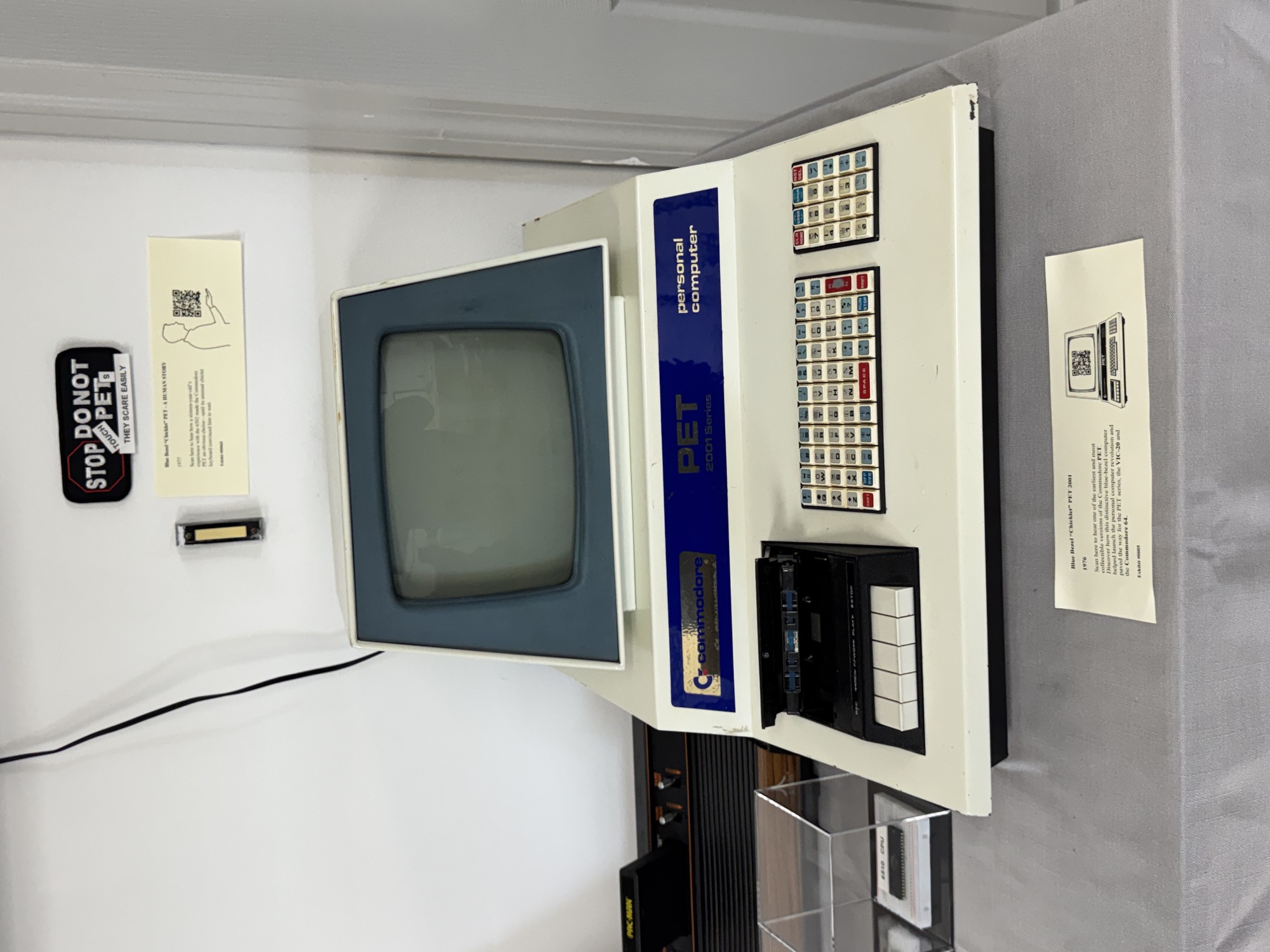
The early chiclet-keyboard PET: a complete computer in one enclosure.
Explore this section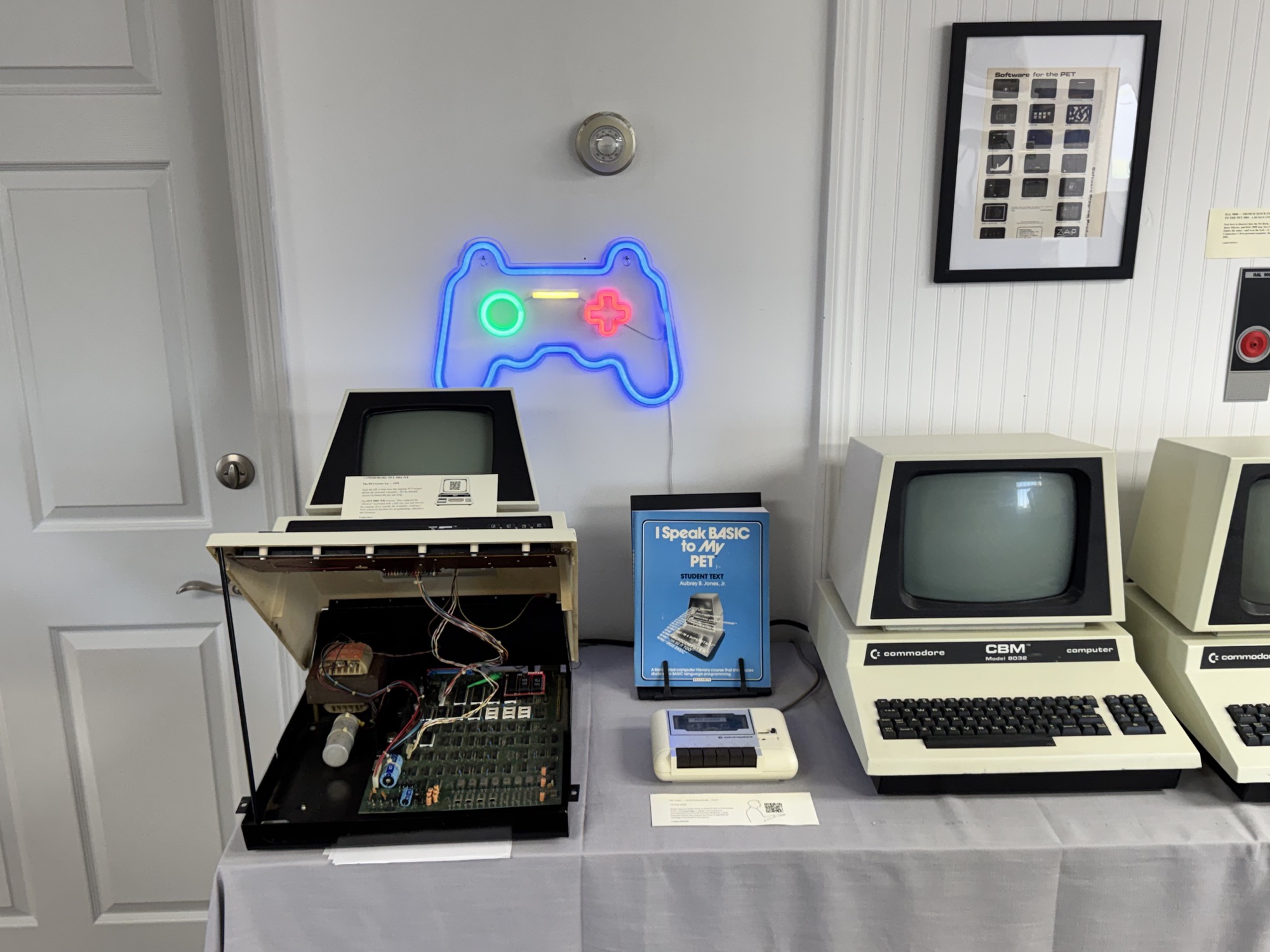
Full-size keyboards, school computers, and the machine that helped inspire LIVCM.
Explore this section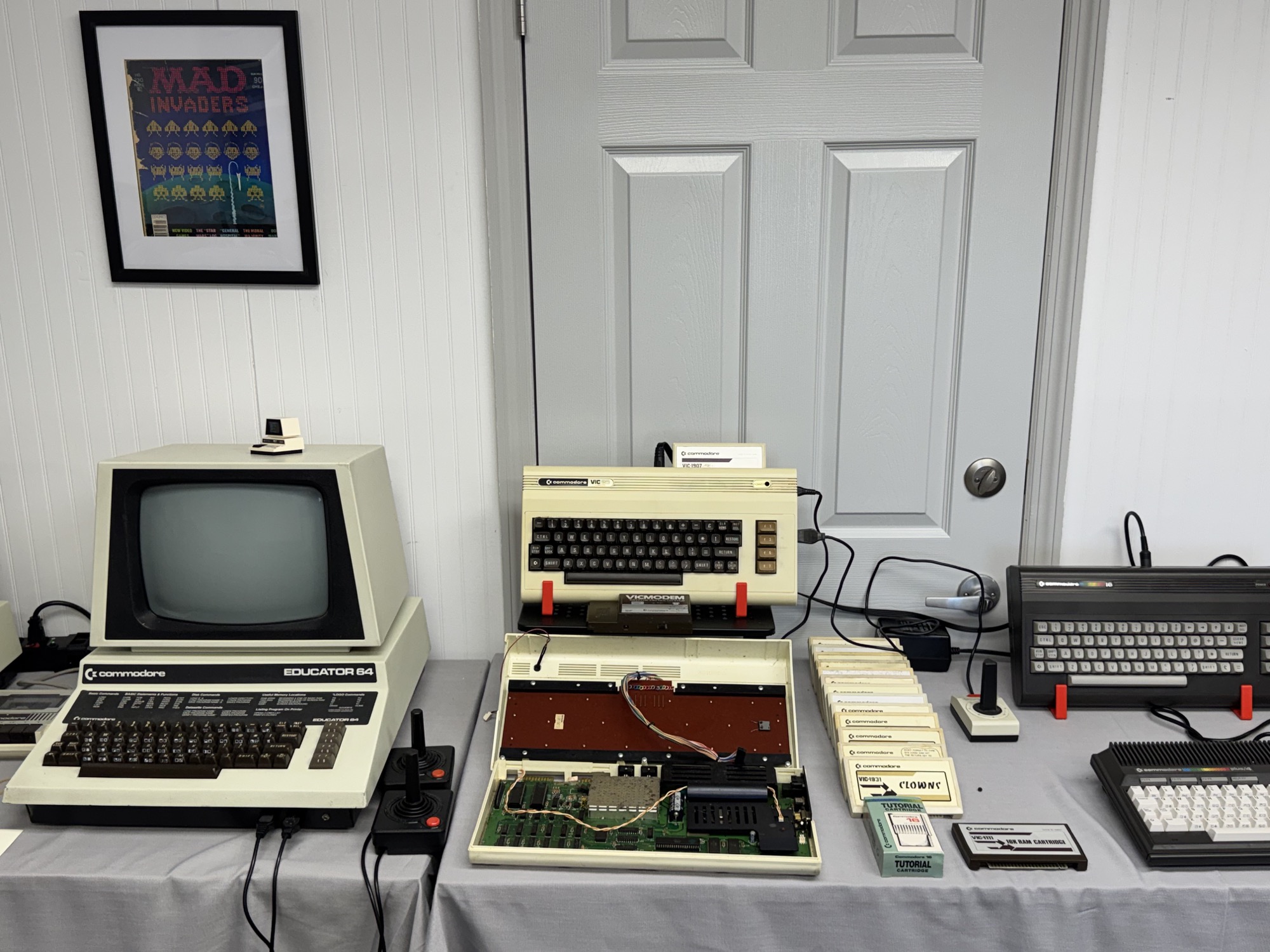
Home computing, cartridges, and connections to the outside world.
Explore this section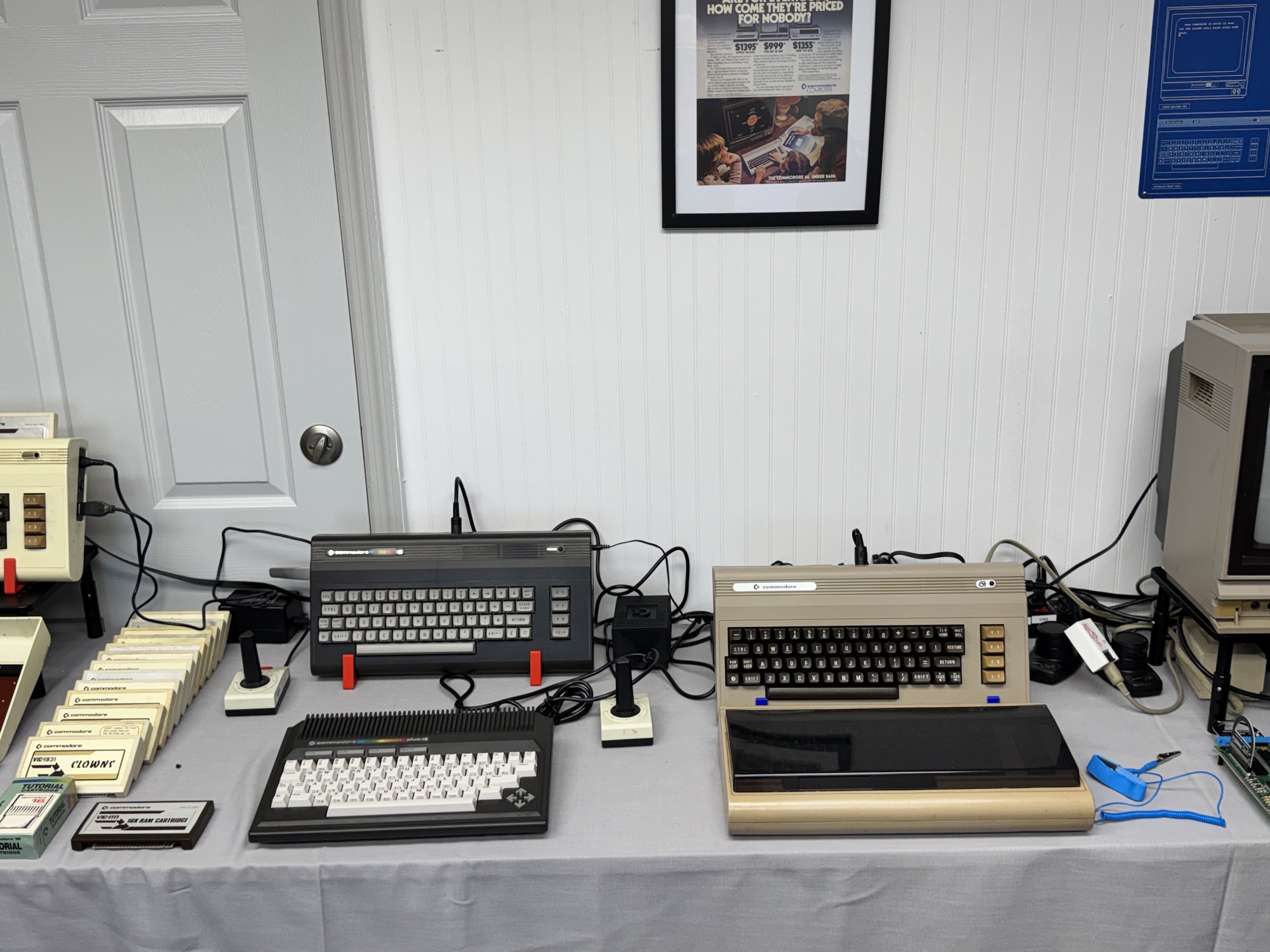
Another branch of Commodore’s home-computer family.
Explore this section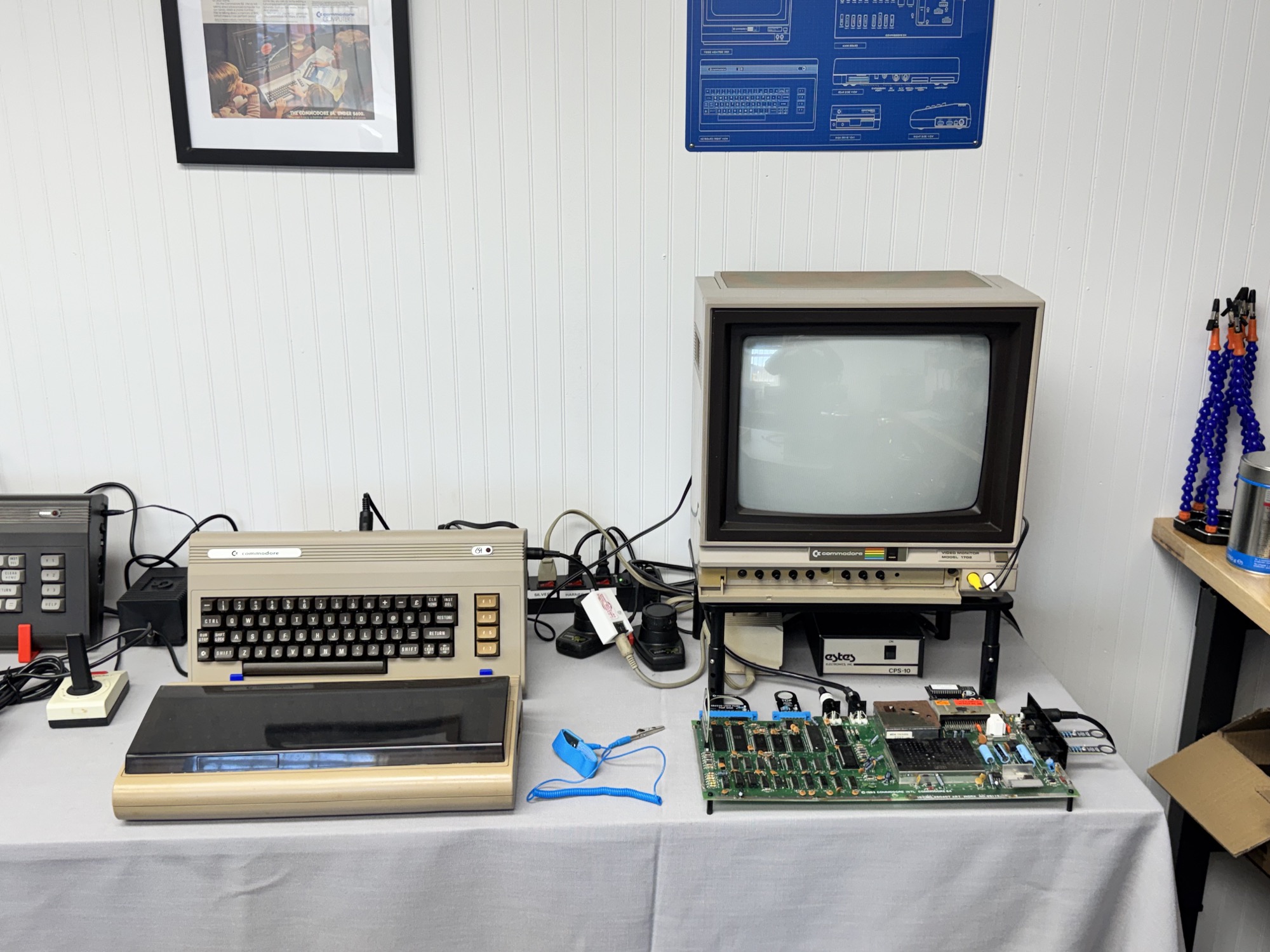
Complete systems and exposed boards reveal what is happening under the keyboard.
Explore this section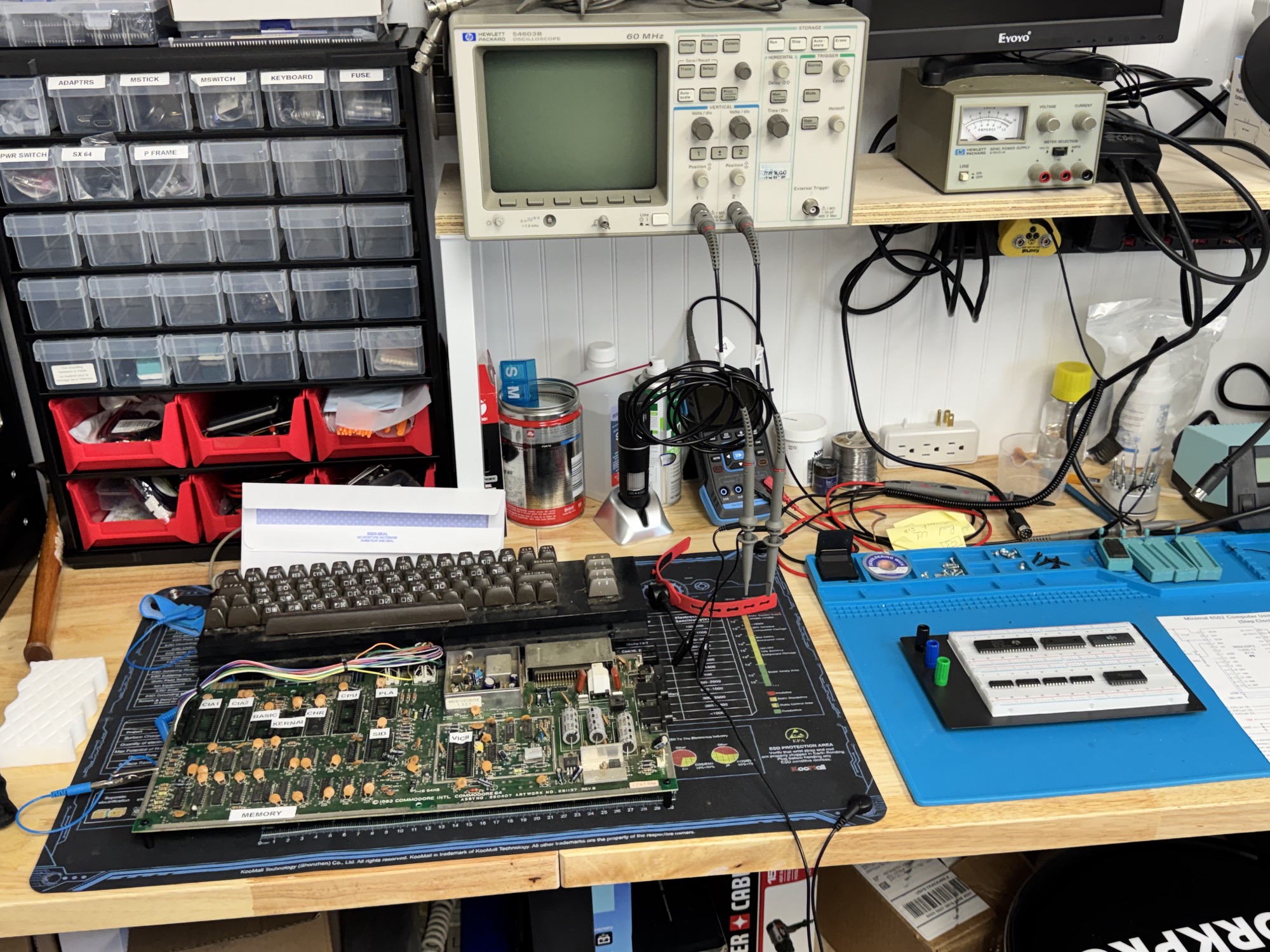
Learn to troubleshoot, repair, and program by working with real computer hardware.
Explore this section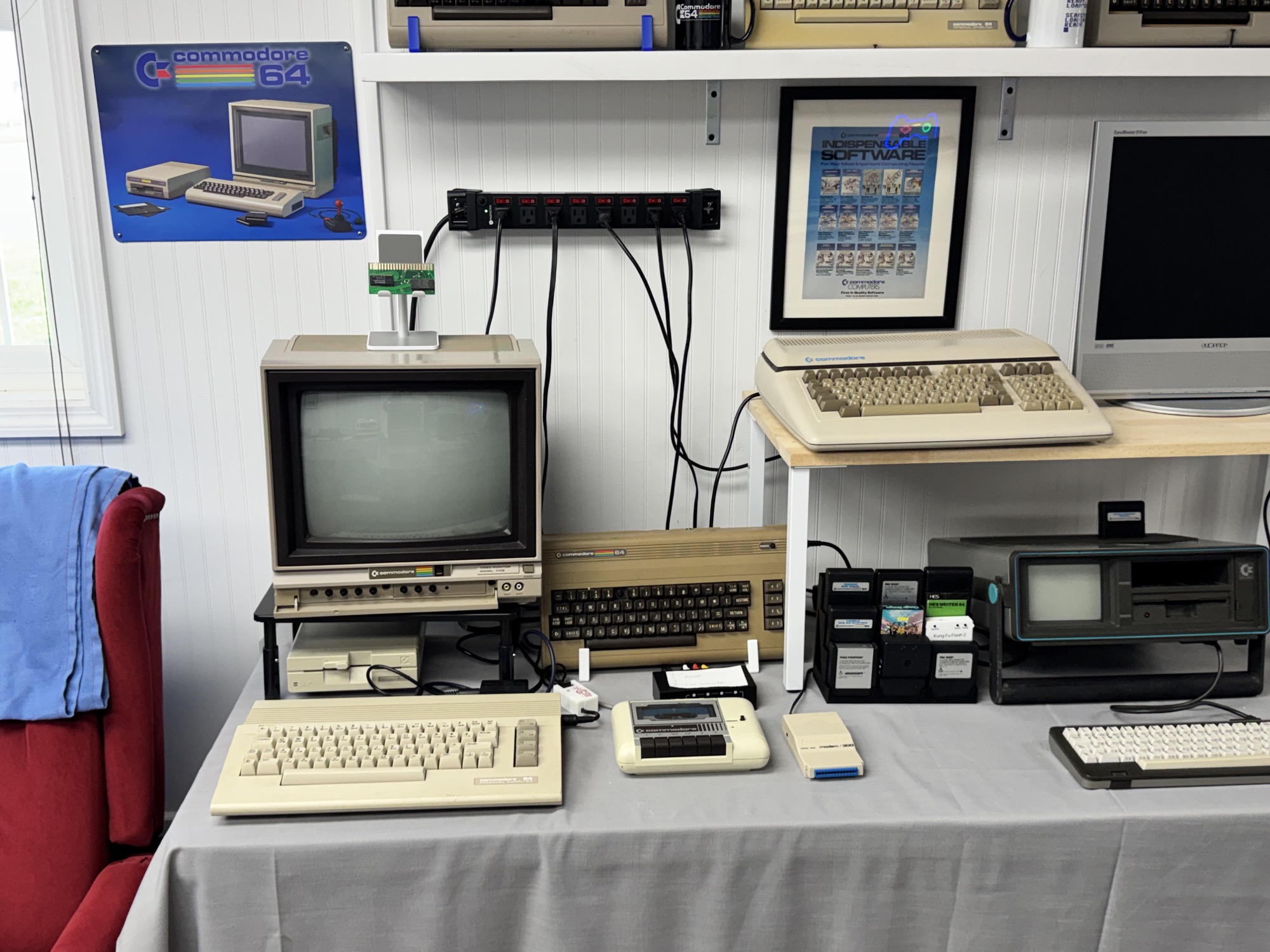
Different forms of a familiar machine, from the breadbin to the portable SX-64.
Explore this section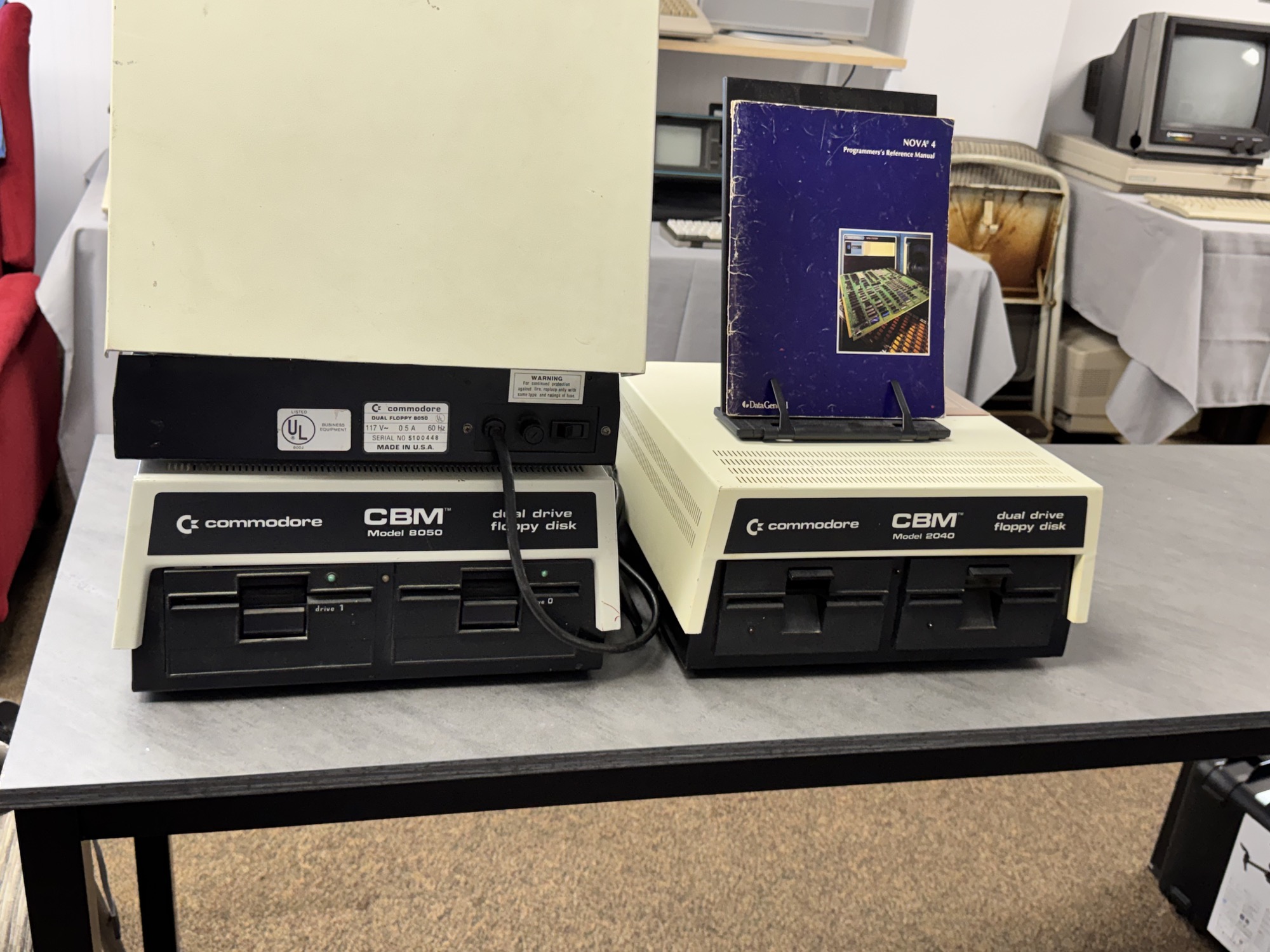
The mechanisms and electronics that kept programs and data available.
Explore this section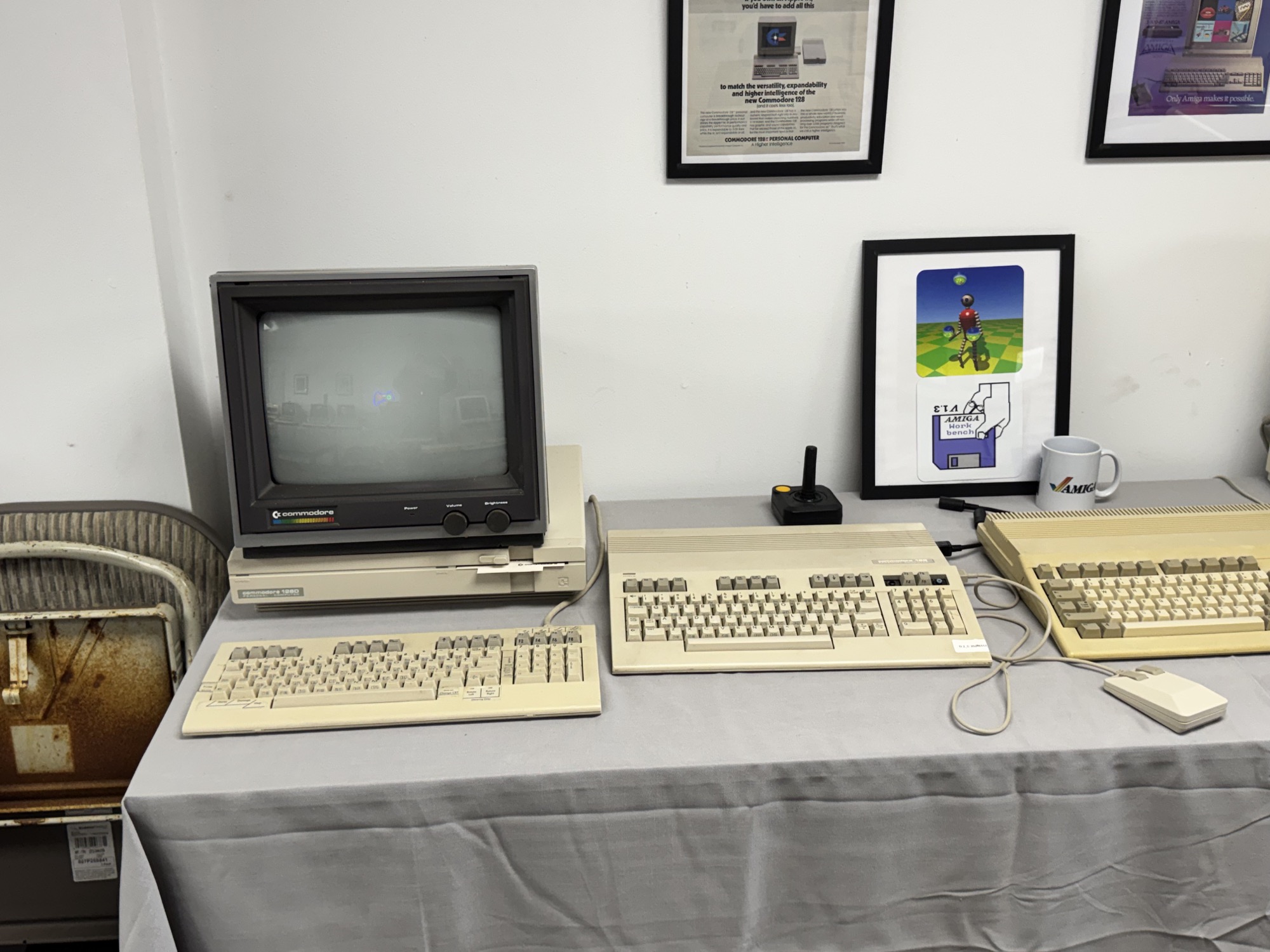
The collection moves into larger systems and new approaches to computing.
Explore this section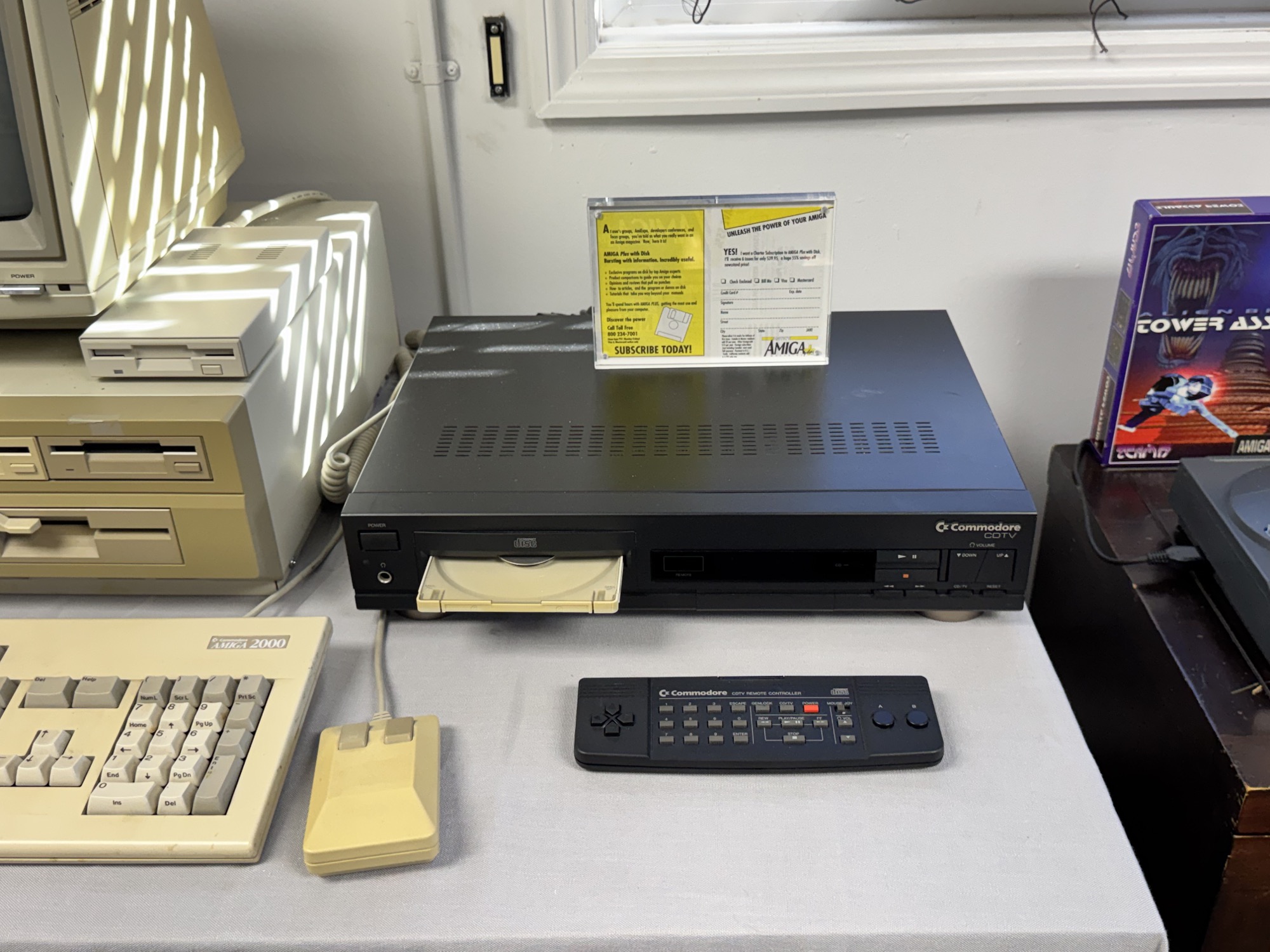
Commodore’s experiments with living-room multimedia and CD-based games.
Explore this section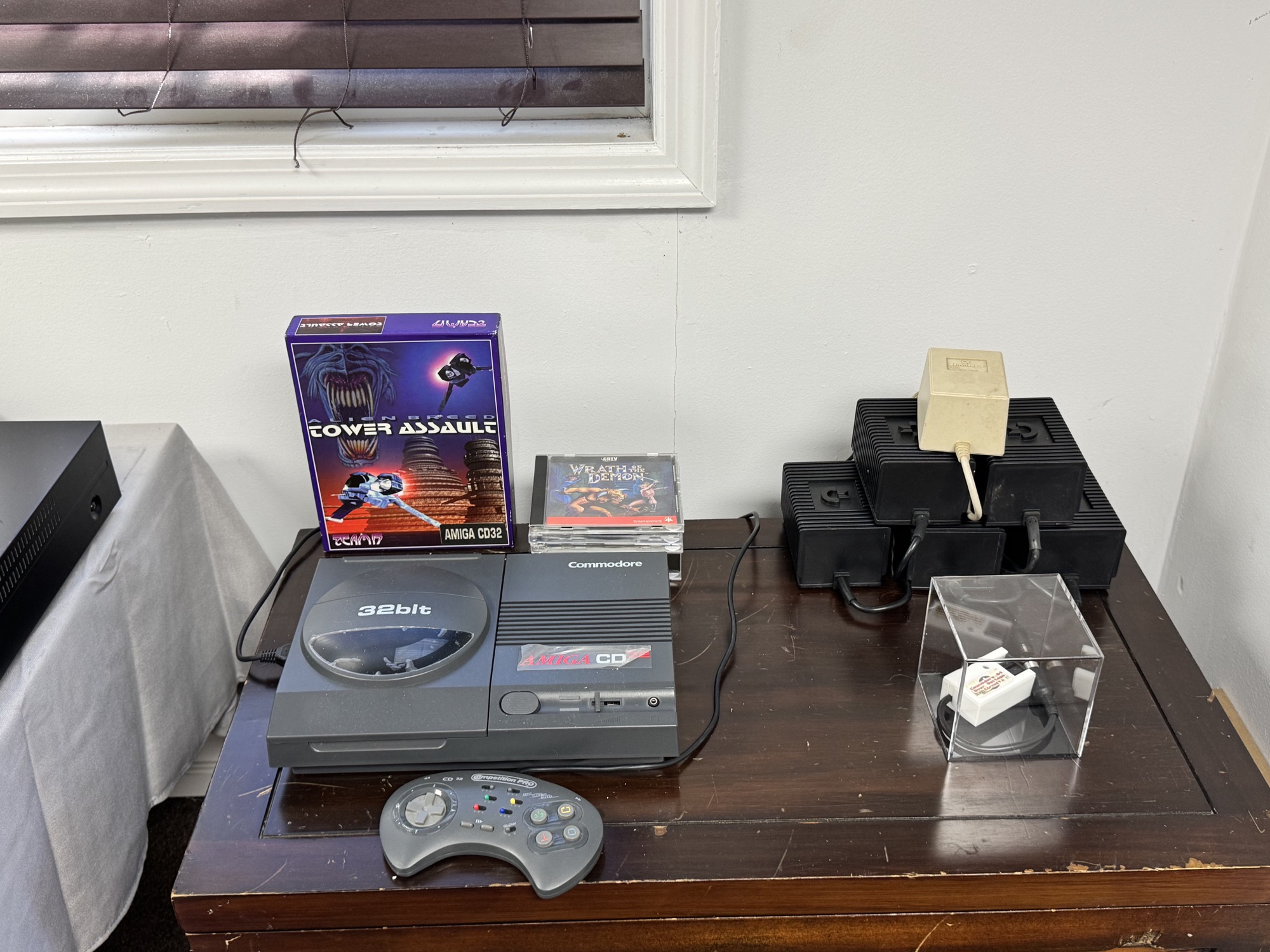
An unusual display with a practical lesson about preserving working computers.
Explore this section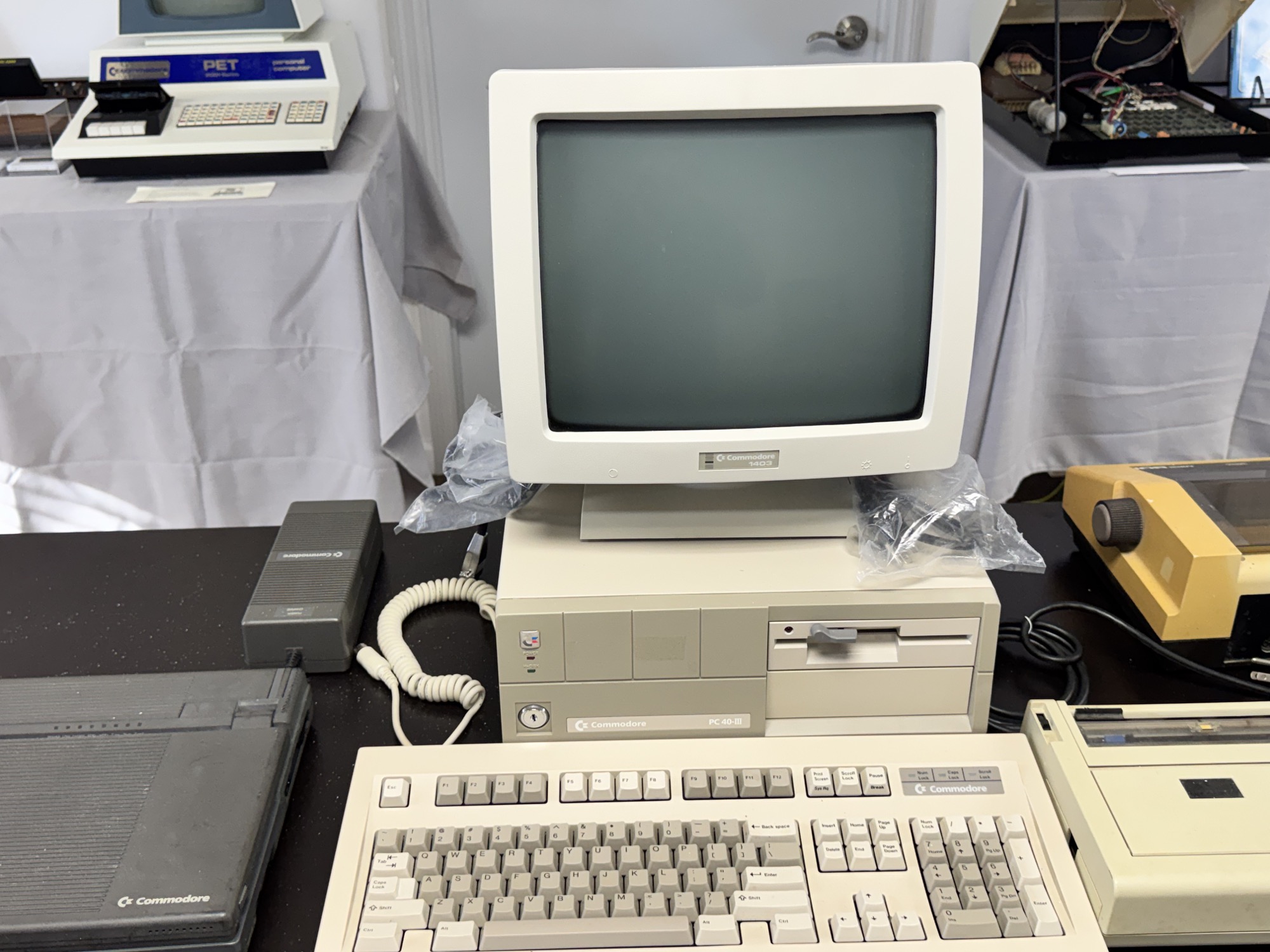
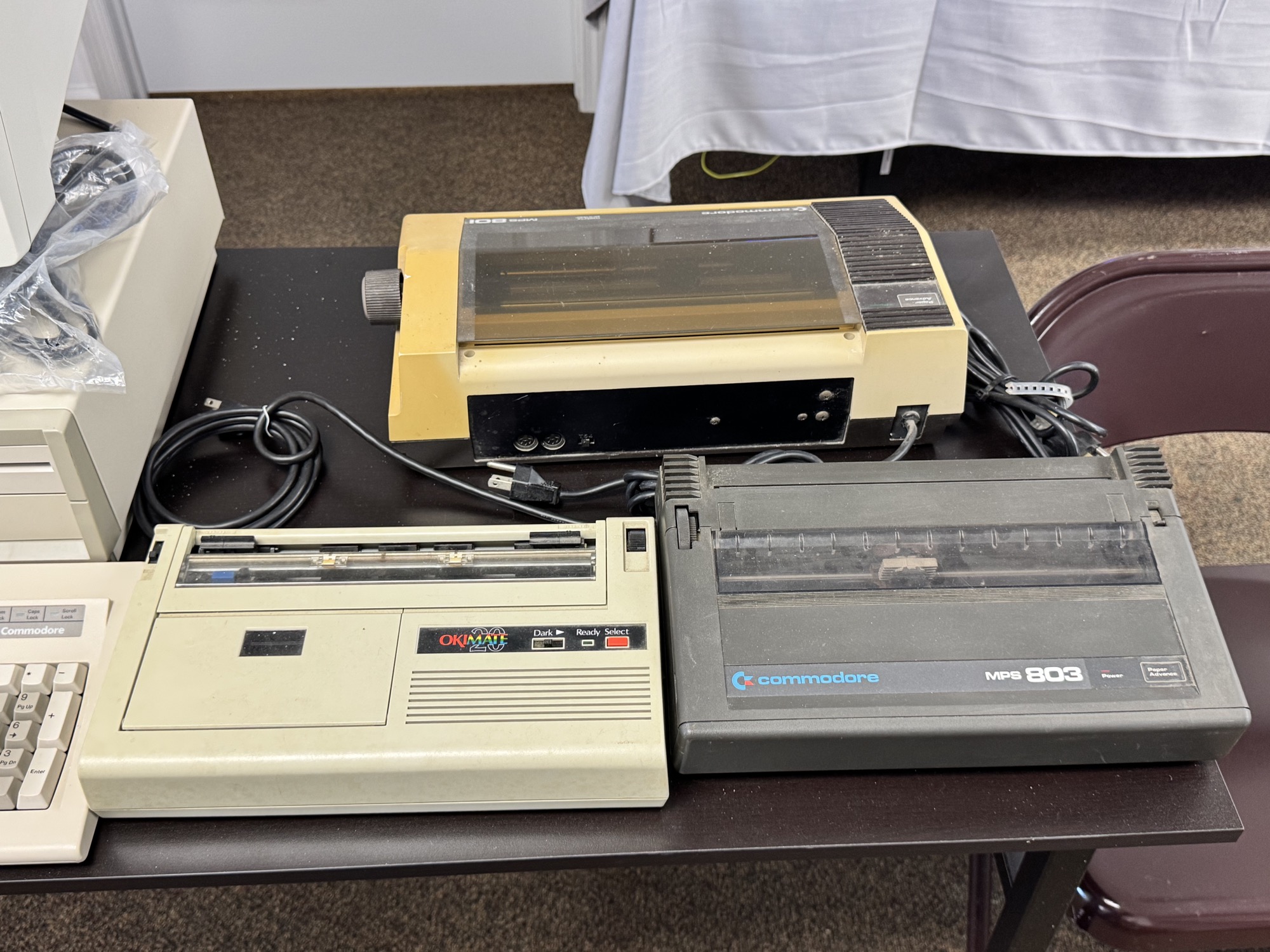
The output devices that turned a computer’s work into something you could hold.
Explore this section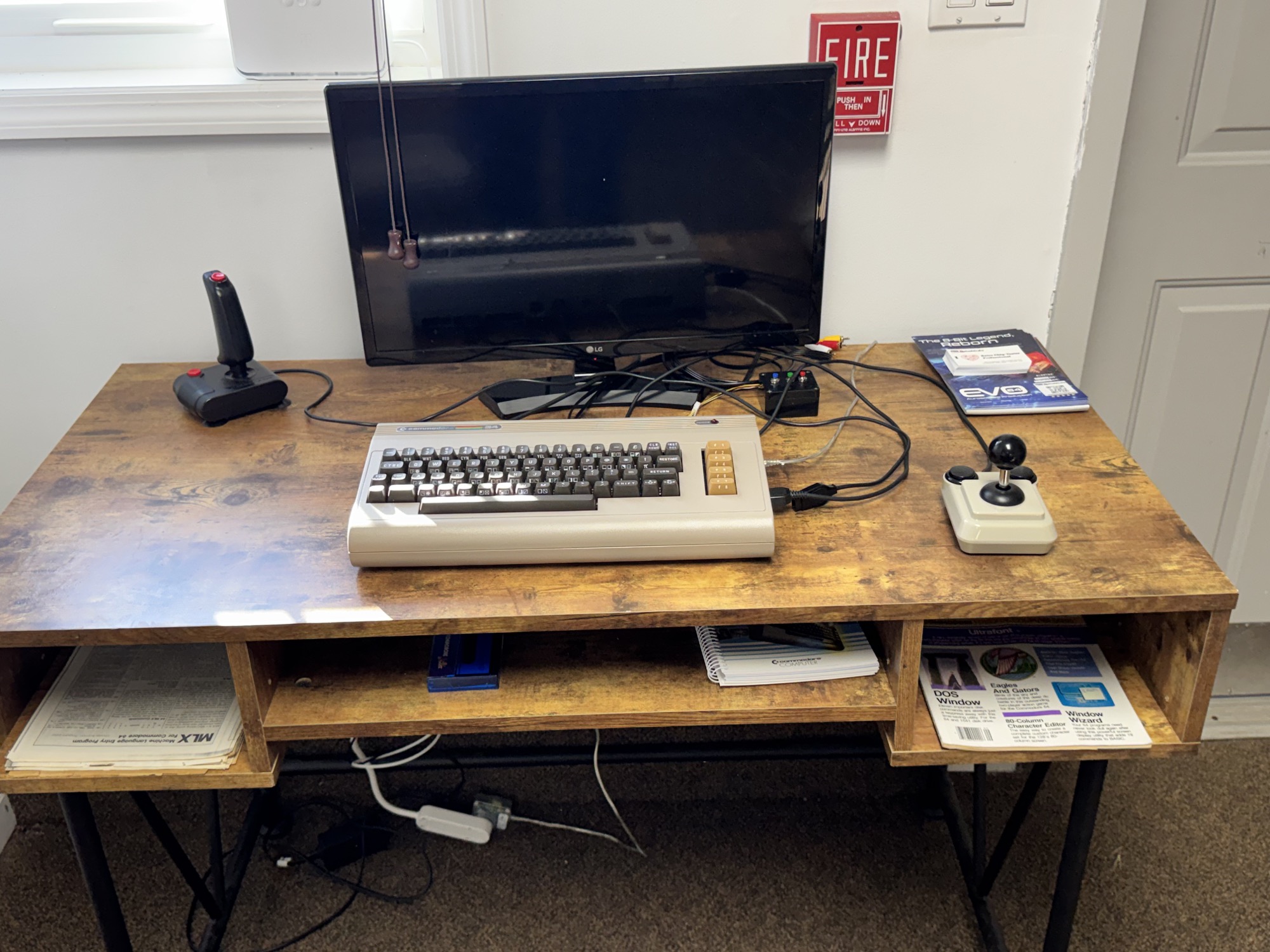
The final stop: a modern chapter and a place to experiment, play, and create.
Explore this section